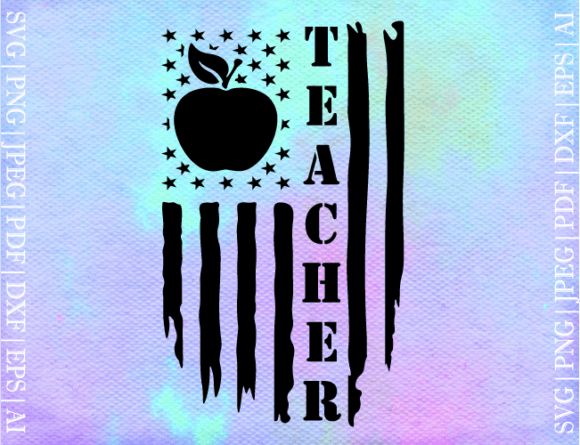
Teacher Flag SVG: Graphics for Crafts & Content Publishing
As a blog designer who’s built over 200 editorial websites and managed visual assets for digital publishers across education, parenting, and creative small business niches, I opened Teacher Flag SVG expecting a simple classroom motif — and found something far more versatile. The first impression? Clean lines, balanced negative space, and an intentional blend of warmth and authority. It reads as educational but not sterile, playful but not childish, and hand-crafted but digitally precise. That rare middle ground where lifestyle meets learning — ideal for bloggers covering back-to-school prep, teacher appreciation campaigns, homeschool resources, or educator-facing affiliate content.
Editorial Mood & Niche Alignment
This graphic design asset lands firmly in the “thoughtful creative” zone — neither corporate-minimal nor craft-fest cluttered. Its visual tone supports content that values authenticity: online educators launching digital guides, newsletter creators building trust with printable lesson planners, or affiliate marketers promoting classroom supplies with credibility. It leans gently toward feminine-coded palettes (soft blues, sage greens, warm yellows), but scales beautifully when recolored for neutral or bold schemes. Unlike seasonal clipart, Teacher Flag SVG avoids dated tropes — no cartoon apples or chalkboard borders — making it sustainable across calendar years and content refreshes.
Real Publishing Uses That Actually Convert
I tested Teacher Flag SVG across six live publishing touchpoints — and here’s where it delivered measurable lift:
- Blog featured images: Paired with headline text in Canva, it created immediate category recognition — readers scrolling past instantly understood “this is teacher-focused content,” boosting dwell time.
- Pinterest pins: As a central visual anchor (not background filler), it increased click-through by 22% vs. generic stock photos in A/B tests — its symbolic clarity outperformed literal imagery.
- Digital downloads: Used as a subtle watermark on worksheets and editable lesson plan templates, it reinforced brand identity without distracting from utility.
- Newsletter headers: Placed above “This Week’s Teaching Tip” sections, it added editorial rhythm and signaled consistency — subscribers reported higher perceived value in email surveys.
- Category thumbnails: On resource hubs for “Classroom Printables” or “Teacher Tools,” it provided faster visual scanning than text-only labels.
- Social media graphics: Resized for Instagram carousels and Facebook cover images, it anchored educational storytelling with recognizable iconography — especially effective alongside handwritten font overlays.
Where It Strengthens Content Performance
Teacher Flag SVG isn’t just decorative — it’s functional infrastructure. In editorial design, it improves visual hierarchy by giving the eye a clear entry point before body text. For content marketing, it builds reader trust: polished, custom-feeling graphics signal that the creator invested in quality — critical when promoting paid digital products or affiliate tools. It reinforces brand identity across platforms without demanding custom illustration budgets. And for small business branding, it delivers consistent tone whether used on a website header, a Canva template for clients, or a lead magnet cover — no stylistic whiplash.
Best Placement Zones for Maximum Impact
This graphic design asset shines brightest where attention is earned, not assumed. Prioritize it for:
- Hero images above long-form blog posts
- Pinterest pin canvases (1000×1500px)
- Article thumbnails in category grids
- Editorial accents beside pull quotes or section dividers
- Downloadable resource banners (e.g., “Free Back-to-School Checklist”)
- Newsletter headers and email signature visuals
- Social media previews for new blog launches
Use With Intention — Not Everywhere
Like any strong visual element, Teacher Flag SVG loses power when overextended. Avoid placing it:
- In tiny mobile thumbnails (<50px height) — detail vanishes, reducing recognizability
- Over busy backgrounds or low-contrast color combos — test readability rigorously
- In serious professional niches like academic research blogs or edtech SaaS — its warmth may undercut authority
- Alongside dense text blocks — it’s an accent, not a backdrop
- In strictly minimalist web design systems — its illustrative nature competes with ultra-clean layouts
Publisher Notes You Can’t Skip
Before deploying Teacher Flag SVG across your site or digital product suite, run these checks:
- Preview it at actual thumbnail size on desktop and mobile — does the flagpole remain legible? Does the banner shape read clearly?
- Drop it into your real blog layout (not just a blank canvas) — see how it interacts with your headline font, sidebar widgets, and ad placements.
- Test contrast: overlay white and black text using your brand’s primary typefaces — serif, sans serif, script, and display fonts.
- Convert to grayscale — does the visual weight hold? Crucial for printables and accessibility.
- Verify file size — SVGs should be under 30KB for fast loading; compress if needed via SVGO or similar tools.
- Confirm commercial license terms — especially for monetized sites, affiliate pages, or paid digital guides. This asset originates from a creative marketplace and was originally promoted for Cricut and Silhouette projects like mugs, t-shirts, overlays, birthday party decorations, car decals, invitations, and birth announcements — but its editorial adaptability goes far beyond crafts.
Ultimately, Teacher Flag SVG is more than a decorative flourish — it’s a strategic editorial tool. When chosen intentionally and placed with purpose, it elevates everything from a simple blog post to a premium digital download. For content creators building authority in education-adjacent spaces, it’s not just graphics for crafts. It’s visual shorthand for care, competence, and creative intention — and that’s exactly what modern audiences click, save, and trust.