Soldier Kneel on American Flag SVG
First Impressions: Respectful, Bold, and Visually Anchored
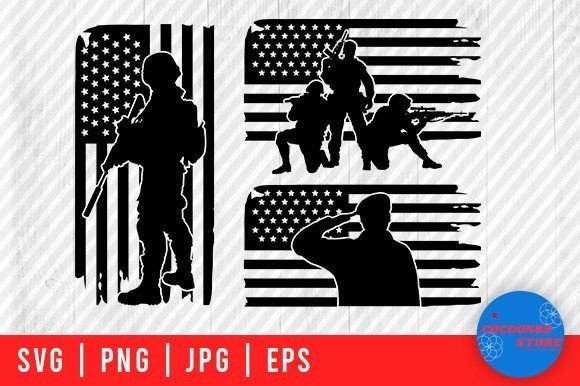
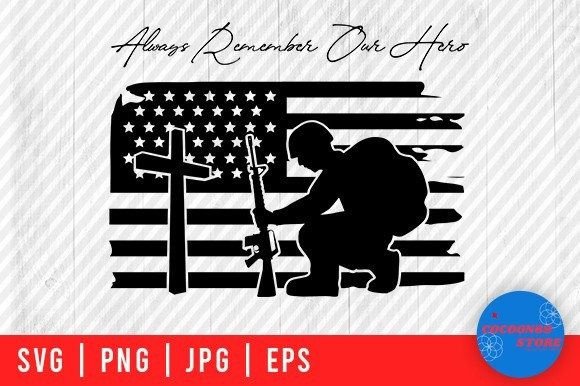
When I opened Soldier Kneel on American Flag SVG, my eye went straight to the composition—not just the symbolism, but how the figure occupies space. The soldier is centered, kneeling with quiet dignity; the flag flows beneath and around him in a way that feels intentional, not decorative. It’s not overly detailed—no tiny insignia or facial features—but it carries weight through posture and proportion. As an embroidery designer who’s stitched hundreds of patriotic motifs, I appreciate that this avoids visual clutter while still reading clearly at medium scale. It’s neither cartoonish nor militaristic; it lands somewhere between reverence and approachability.
A Real Project Test: Embroidering a Custom Tote for a Veteran Support Group
Last week, I used Soldier Kneel on American Flag SVG to create embroidered canvas totes for a local veteran outreach initiative. We needed something meaningful but not overly solemn—something that could sit comfortably beside coffee mugs, T-shirts, and baby onesies sold at their annual craft fair. I resized the design to fit a 4” x 5” hoop, digitized it as a clean fill-and-satin combo (no applique), and stitched it onto medium-weight natural canvas with navy thread on cream fabric. The result held up beautifully: crisp edges, balanced stitch density, and no puckering—even without heavy cutaway stabilizer. That tells me this design has solid vector integrity, which matters more than most buyers realize when working from an SVG source.
Where It Shines—and Where It Needs Careful Handling
Soldier Kneel on American Flag SVG works especially well for:
- Custom apparel: Sweatshirts, quarter-zips, and structured caps (when placed on flat panels like front panels or back yokes)
- Tote bag design and apron fronts—its vertical emphasis reads cleanly on upright surfaces
- Embroidered patch blanks, especially when backed with twill or felt for durability
- Holiday embroidery and patriotic gift items (think July 4th tea towels or Memorial Day pillow covers)
- Small shop product branding—pair it thoughtfully with minimalist typography for boutique consistency
But proceed with awareness on:
- Stretchy fabric: The kneeling pose relies on clean lines—if the base fabric distorts during hooping or stitching, subtle curves in the flag’s drape may blur. Always test on scrap knit before committing to a custom T-shirt order.
- Thin or lightweight fabric: Like baby onesies or linen napkins—use tear-away + light cutaway stabilizer to prevent shadowing or thread pull-through.
- Curved surfaces: Avoid placing it near the crown seam of a cap unless you’re confident in your machine’s cap frame alignment. The flag’s horizontal flow doesn’t adapt well to severe curvature.
- Dense stitch areas: This isn’t a low-stitch-count design—it fills space intentionally. On dark fabric, consider switching to matte thread to reduce glare; on light fabric, check contrast in both daylight and indoor lighting.
What It Adds to Your Handmade Product—and What It Doesn’t Promise
This isn’t a “plug-and-play” emblem for mass production. It’s a thoughtful machine embroidery design that gains strength from context. When stitched cleanly on a well-chosen fabric, it elevates a simple tote into a personalized gift. Customers notice the intention behind the pose—the knee down, not the fist raised—and that subtlety builds trust. It signals care, not cliché. That said, it won’t magically fix poor digitizing choices, weak stabilizer use, or mismatched thread colors. Its value multiplies when paired with smart execution: consistent hoop tension, accurate color matching (navy + ivory works better than red/white/blue on many fabrics), and realistic expectations about detail retention at small scales.
Practical Notes Every Embroidery Designer Should Check
- Test the design on scrap fabric first—especially if you’re using it for baby embroidery or holiday embroidery where softness and washability matter.
- Review stitch density before scaling down below 3.5”. Some flag folds may collapse into noise if over-compressed.
- Confirm hoop size compatibility. While the SVG file scales freely, your embroidery software may impose limits—check before sending to your machine.
- Inspect small details in your digitizing preview: are flag stars distinct? Does the soldier’s silhouette hold shape at 100% zoom?
- Try black-and-white mockups to assess contrast—this helps predict how it’ll read on Etsy listings or printable mockups.
- Use proper stabilizer: medium cutaway for knits, tear-away for stable wovens, and fusible + tear-away for lightweight linens.
- Verify licensing before selling finished products or bundling the digital embroidery file in craft business kits. The listing says “INSTANT DOWNLOAD includes SVG, PNG, EPS, JPG files”—but commercial rights aren’t stated outright. If you’re an Etsy seller or digital product seller, confirm usage terms directly with the creator.
Final Thought: A Design That Earns Its Place
Soldier Kneel on American Flag SVG doesn’t shout. It stands. And in a market flooded with rushed graphics and over-digitized clipart, that restraint is rare—and valuable. It fits naturally into Crafts and Graphics workflows, but only when treated like the serious design asset it is. Whether you’re stitching a single custom sweatshirt or building a line of veteran-themed kitchen towels, this design rewards attention to fabric choice, thread selection, and presentation. It’s not background noise—it’s a quiet statement, ready to become part of something real.