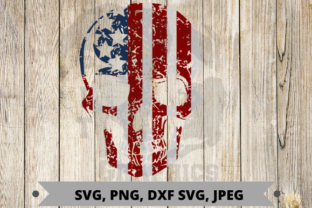
Skull Flag: Graphics for Bold Crafts Branding
As a brand designer who’s helped over 200 small businesses refine their visual voice—and as a content marketer who’s built campaigns across Pinterest, Instagram, and email—I opened Skull Flag expecting edgy energy. What I found was sharper than anticipated: a tightly crafted, high-contrast graphic design asset that lands somewhere between rebellious charm and confident minimalism. It doesn’t scream—it leans in with intention. That nuance matters deeply when you’re building brand identity for creative entrepreneurs, online coaches, or digital product sellers who need to stand out without sacrificing professionalism.
A First Impression That Sets the Tone—Not the Entire Story
The moment Skull Flag renders on screen, it establishes mood before meaning: assertive, slightly irreverent, and undeniably memorable. It reads as modern design—not cartoonish clipart, not gothic overload—but a distilled symbol with rhythm and weight. For lifestyle brands, indie apparel lines, or podcasters launching a bold new season, this emotional tone builds instant audience trust through authenticity. It signals “I know my voice—and I’m not blending in.” That’s rare in a sea of generic SVG designs. Crucially, it avoids looking cheap or cluttered, even at small sizes—a common pitfall with skull-themed illustration.
Where Skull Flag Earns Its Place in Real Campaign Workflows
I recently used Skull Flag in a campaign refresh for a small-batch candle brand launching a limited “Midnight Ritual” collection. We needed marketing visuals that felt ritualistic—not spooky—and elevated enough for Instagram Reels thumbnails, Canva templates, and printed packaging inserts. Skull Flag became the unifying decorative brand element: scaled down as a subtle watermark on blog graphics, mirrored symmetrically behind product labels, and enlarged as a hero graphic on the launch landing page header. Its clean vector structure (SVG + PNG + DXF + JPEG) meant zero pixelation—even when resized for Facebook ads or embroidered onto merch tags.
It performed especially well in contexts where visual hierarchy matters most: social media graphics (paired with bold sans serif fonts), editorial design for newsletter headers, and printable promotions like seasonal lead magnets. As part of a design bundle, it added thematic cohesion to a content kit for creative marketplace sellers—no extra licensing friction, since it includes commercial license rights for client work and digital product visuals.
How It Strengthens Core Marketing Goals—Without Overpromising
Skull Flag isn’t a logo replacement—but it *supports* stronger first impressions by anchoring attention in seconds. In digital ads, it creates focal contrast against muted backgrounds, improving engagement without competing with copy. On packaging design, it adds texture and personality to otherwise minimalist product labels. In web design, it elevates website headers without overwhelming navigation. Most importantly, it reinforces brand recognition across touchpoints: same shape, same weight, same confidence—whether appearing as a sticker on a shipping box or a decorative border in a Canva template.
For bloggers and content creators building branded templates, Skull Flag delivers consistency at scale. When placed beside script fonts, it grounds whimsy with structure; paired with serif typography, it adds contemporary edge; and alongside display fonts, it balances drama with clarity. That versatility makes it more than clipart—it’s a functional piece of visual language.
Best Fit: Hero Graphics, Campaign Headers, and Branded Templates
This graphic design asset shines brightest where impact is prioritized over explanation: hero banners for product launches, Pinterest pins with strong negative space, Instagram story covers, and editorial layouts needing symbolic punctuation. It works beautifully as a decorative brand element—repeating subtly in background patterns for digital product visuals or scaling boldly for event flyers and posters. For small business branding, it’s ideal for merchandise accents, sticker sheets, and packaging inserts where handmade authenticity meets polished execution.
Use With Intention—Not Everywhere
Skull Flag shouldn’t anchor formal corporate branding, legal documents, or dense information layouts. Avoid placing it directly over low-contrast backgrounds (e.g., gray-on-gray), in text-heavy Facebook ads, or as the sole focus in mobile-first banners under 300px wide—where detail loss weakens its impact. It also risks visual competition in overly minimal brands that rely on whitespace and restraint. If your brand voice is serene, academic, or ultra-luxury, test it rigorously before committing.
Practical Brand Designer Notes You’ll Actually Use
Before dropping Skull Flag into your next campaign: test it against your full brand color palette—not just primary hues, but neutrals and gradients. Check how it renders in pure black and white for print-ready product labels. Drop it into real campaign mockups (not just isolated previews) to assess spacing, balance, and proximity to headlines or CTAs. Preview on mobile screens—especially iOS Safari—since some SVG rendering varies. Test readability at 48px and below if using it inline with body copy. Compare it against top competitor visuals: does it feel distinct yet category-appropriate? Finally, confirm commercial license coverage—this listing supports paid campaigns, client deliverables, and business branding, but always verify usage scope before mass distribution.
Why Creative Entrepreneurs Keep Returning to This Kind of Asset
Skull Flag represents what today’s content creators truly need: a professional-grade, multi-format graphic design asset that bridges crafts and digital strategy. It’s not just another PNG—it’s a flexible, licensable, campaign-ready tool. Whether you’re designing stickers for an online course launch, building a social media content calendar, or refreshing packaging for a Shopify store, it delivers consistent visual authority without demanding custom illustration time or budget. In a landscape flooded with disposable clipart, Skull Flag stands out by respecting both creativity and commerce—making it one of the more quietly powerful design assets I’ve integrated across branding, marketing visuals, and editorial projects this year.