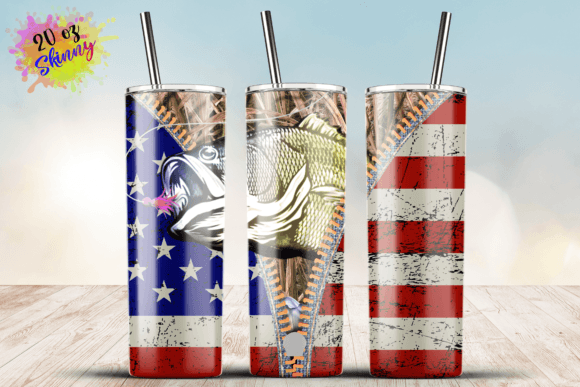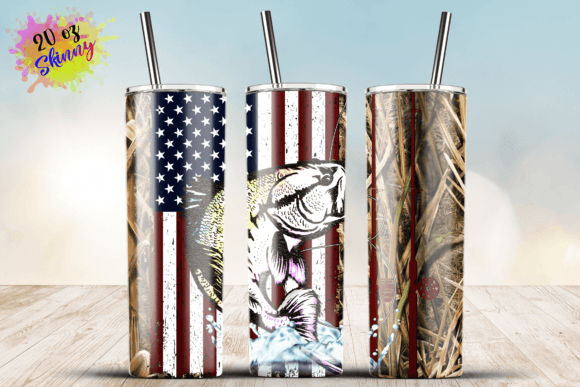
Camo American Flag Baseball Dad 20ozWrap
First Impressions: A Design That Speaks Before the Needle Moves
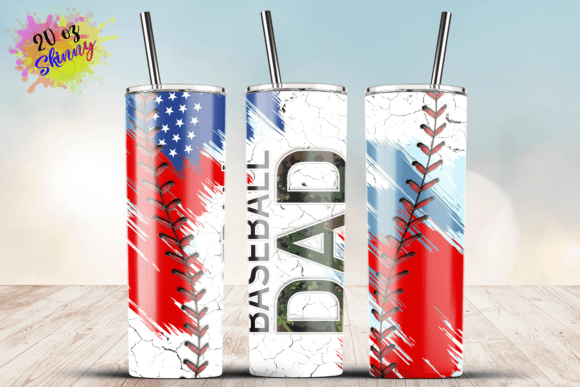
When I opened Camo American Flag Baseball Dad 20ozWrap for the first time, I didn’t see just another digital file—I saw a mood, a moment, and a very specific kind of customer. It’s got that grounded, proud-but-unfussy energy you’d expect from a dad who coaches Little League in flannel and cargo shorts. The camo base isn’t aggressive or tactical—it’s softened, almost nostalgic—layered beneath a clean, bold American flag motif and anchored by “Baseball Dad” in a sturdy, legible font. There’s no clutter, no over-rendered stars or excessive shading. This is a machine embroidery design built for clarity, not complexity.
A Real-World Test: Embroidering It on a Heavyweight Canvas Tote
Last week, I prepped Camo American Flag Baseball Dad 20ozWrap for a custom order: a 20oz canvas tote bag for a local baseball coach’s birthday. Not a mockup—actual fabric, actual hoop, actual client expectations. I chose medium-weight cutaway stabilizer (non-negotiable for that canvas texture), tested thread colors on scrap first (navy, olive, and bright red popped best against the camo tone), and ran a quick density check. The design held up beautifully—no puckering, no skipped stitches, even across the diagonal flag stripe transitions. The lettering stayed crisp at 3.5" wide, and the flag’s star field remained readable without looking pixelated or overly dense. That told me something important: this isn’t just a digital embroidery file for screen previews—it’s drafted with real stitch behavior in mind.
Where It Shines—and Where to Pause
Camo American Flag Baseball Dad 20ozWrap fits naturally into several high-demand categories: custom apparel (especially sweatshirts and structured caps), embroidered patch production, tote bag design, and personalized gift lines for sports-themed boutiques or team stores. Its balanced proportions make it ideal for center-chest placements on crewnecks or left-chest positioning on aprons and tea towels.
But—and this matters—I wouldn’t recommend it for baby embroidery or thin-knit t-shirts without significant adjustment. The camo background fill stitch has moderate density, and on lightweight or stretchy fabric, it risks stiffness or shadowing. Likewise, curved surfaces like baseball caps need careful hooping and possibly slight digitizing tweaks to avoid distortion in the flag corners. If you’re planning holiday embroidery on linen pillow covers or nursery decor, test how the camo tone reads against off-white or oatmeal fabric—some camo palettes fade visually on light backgrounds unless thread contrast is dialed in precisely.
What It Adds to Your Craft Business—Beyond the Stitch
As an Etsy seller and small shop product developer, I pay attention to how a design affects perceived value—not just technical execution. Camo American Flag Baseball Dad 20ozWrap lands with quiet confidence. It doesn’t scream; it resonates. Customers recognize the theme instantly, but it avoids cliché because of its restrained execution. That builds customer trust: when someone orders a personalized gift using this design, they’re not getting generic clip art—they’re getting a cohesive, intentional handmade product. For boutique branding, it supports consistent visual storytelling across merchandise—think matching caps, totes, and embroidered patches sold as a set. And yes, it performs well in printable mockups, especially when shown on natural-light lifestyle shots. The design reads clearly at thumbnail size, which matters for Etsy listings and social media thumbnails.
Practical Designer Notes You’ll Actually Use
- Always test on scrap fabric first—especially if stitching on textured or dark fabric. Camo tones vary widely between monitors and threads.
- Check thread color contrast before committing to a full run. Red thread on deep olive camo can mute; try a slightly brighter red or add white outline for pop.
- Review stitch density manually—if your machine struggles with tight fills, consider reducing density by 5–8% for softer drape on apparel.
- Confirm hoop size compatibility before digitizing adjustments. This design likely fits comfortably in a 4x4 hoop, but verify before batching orders.
- Inspect small details in the flag’s star field and lettering serifs. Some low-res versions blur fine edges—zoom in at 200% in your embroidery software.
- Test black-and-white mockups to assess readability for monochrome branding or grayscale print collateral.
- Use proper stabilizer: cutaway for woven fabrics, tear-away for stable knits, and fusible + cutaway for layered or delicate items like baby blankets.
- Confirm licensing terms before selling finished items commercially—or listing the digital embroidery file itself. Since this is labeled as a Graphics asset in the Crafts category, clarify whether resale or derivative use is permitted.
Final Thought: A Reliable Asset, Not a Gimmick
Camo American Flag Baseball Dad 20ozWrap won’t win awards for avant-garde digitizing—but it wasn’t meant to. It’s a thoughtful, functional, audience-aware embroidery project asset. It works because it respects the craft: it accounts for fabric behavior, honors stitch limitations, and delivers emotional resonance without overpromising. Whether you’re building a craft business, stocking a holiday market booth, or fulfilling custom requests for coaches and families, this design earns its place in your library—not as filler, but as a go-to for sincerity, clarity, and real-world wearability. Just remember: great embroidery starts long before the machine hums. It starts with knowing what the design *does*, not just what it looks like.