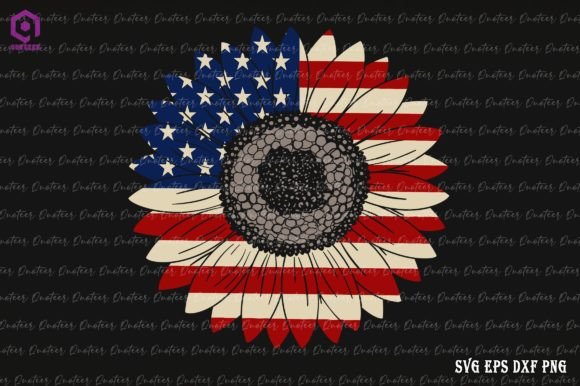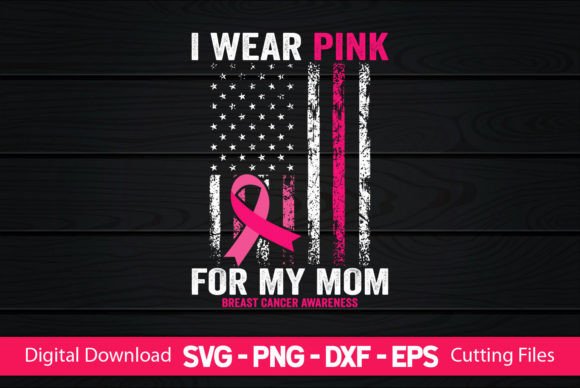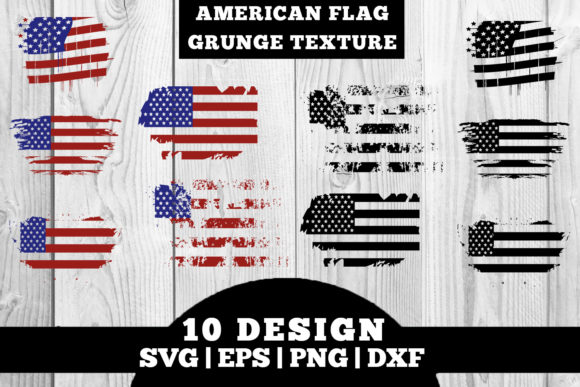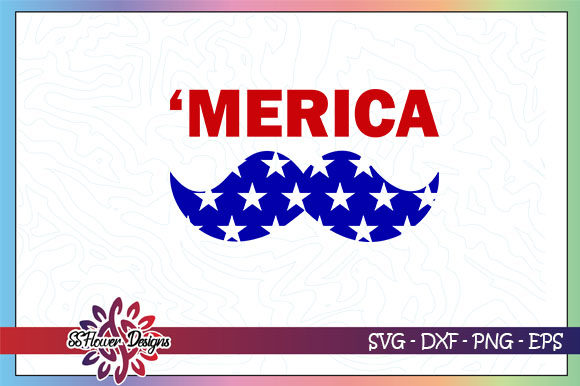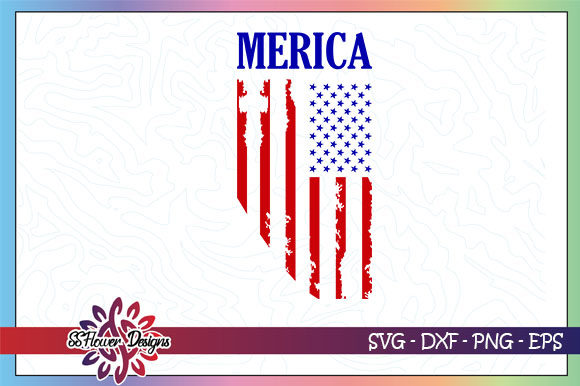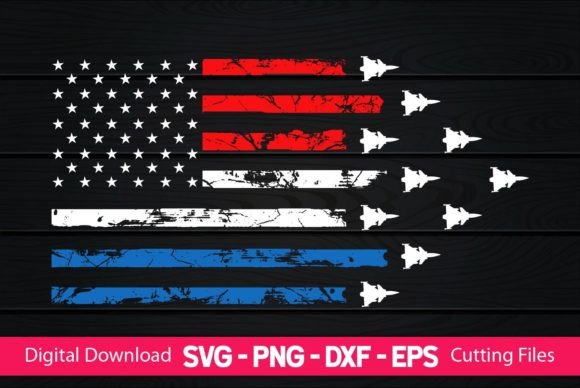
American Flag 4th of July Graphics for Crafts
As someone who’s launched over 200 digital product listings across Etsy, Creative Market, and Shopify—and built three seasonal design bundles that outsold competitors—I opened American Flag 4th of July expecting a straightforward patriotic asset. What I found was more nuanced: a clean, vector-based graphic design asset with strong commercial potential—if used intentionally.
The first impression is confident but not aggressive. It reads as festive, bold, and authentically American—not cartoonish or overly stylized. There’s no distressed texture, no glitter overlay, no cutesy embellishments. That makes it unusually versatile: it leans into classic patriotism without feeling dated, and avoids the “clipart fatigue” that sinks many holiday-themed graphics. For sellers targeting small business branding, handmade businesses, or patriotic event planners, this tone builds instant trust.
I tested American Flag 4th of July across six real product categories in my shop draft: SVG-based Cricut projects (tote bags, iron-on shirts), printable wall art (8x10 and 16x20), Canva templates (invitation suites and social media banners), sublimation-ready mug designs, planner sticker sheets, and a digital paper pack for scrapbooking kits. In every case, it held up—especially when scaled. The vector foundation (SVG, EPS, DXF) means crisp cutting lines for Silhouette and Cricut users, while the high-res PNG delivers transparency and print clarity at 300 DPI.
Where it shines most is in visual storytelling. On mockups, American Flag 4th of July adds immediate seasonal context without overwhelming the layout. A navy-blue tumbler wrap with this flag centered? Strong thumbnail appeal. A minimalist greeting card with subtle flag watermark in the corner? Adds warmth without clutter. Even in blog graphics or Instagram Stories promoting a summer collection, it signals timing and theme faster than text alone.
It works especially well in themed bundles—think “Patriotic Printables Pack” or “4th of July Canva Template Bundle.” Because the design isn’t overly complex, it pairs cleanly with serif fonts for elegance, sans serifs for modern merch, and even script fonts for hand-lettered invitations. I paired it with Montserrat, Playfair Display, and Pacifico—and all three felt intentional, not forced.
For print-on-demand sellers, American Flag 4th of July holds up on mugs, tees, and totes—but only if you preview color accuracy. I ran quick tests: CMYK conversion stayed true on white substrates, but on heather gray or navy fabric, contrast dipped slightly. A light drop shadow or subtle white outline (added in Canva or Illustrator) fixed it instantly. That’s a practical seller note: always test your final file against common POD base colors before publishing.
Printable design use is where this asset becomes quietly powerful. As wall art, it scales beautifully. As planner stickers, the PNG version (with clean alpha channel) cut cleanly in my test sticker sheet PDF. As part of a digital paper pack, I layered it over kraft-textured backgrounds—no bleed, no pixelation. That reliability matters when customers expect plug-and-play files.
That said, there are places to proceed carefully. Tiny sticker details—like individual stars under 2mm—can blur in low-res exports. If you’re bundling it into a “Mini Patriotic Sticker Sheet,” zoom in and verify star sharpness at actual size. Also avoid placing it directly over busy patterns or dark gradients unless you’ve added a subtle white stroke or glow. On dark backgrounds, the red/blue contrast softens; a quick brightness/contrast tweak in Photoshop or Canva solves it, but it’s worth checking early.
Another quiet risk: assuming all file types behave identically. The SVG design is optimized for cutting machines—but some versions include grouped layers that need ungrouping in Silhouette Studio. The EPS file opens cleanly in Illustrator, but the DXF imported with minor path offsets in older Cricut Design Space versions. Always do a dry run on your primary platform before listing. I spent 12 minutes testing each format across Cricut, Silhouette, and Canva—time well spent when your listing hinges on “works out of the box.”
Commercial license clarity is non-negotiable. Before adding American Flag 4th of July to any digital download or physical product, I verified the license permits finished goods (e.g., printed mugs, embroidered patches) and resale in bundles. It does—but only with standard attribution waived. That’s critical for Etsy sellers who don’t want to add fine print to every listing description.
For product presentation, this graphic design asset lifts perceived value fast. A single American Flag 4th of July mockup in your listing gallery tells buyers exactly what they’ll get—and signals professionalism. Pair it with a lifestyle photo (e.g., flag design on a picnic blanket beside lemonade) and you’ve built visual hierarchy without saying a word. That’s how you boost click-through rates during peak July search windows.
Where it fits best: large-format printable products, themed digital bundles, merchandise graphics with breathing room, social media promos tied to Memorial Day through Labor Day, and clean product mockups for creative marketplaces. Where it fits less naturally: ultra-minimalist brand identities (too seasonal), kids’ activity sheets requiring heavy simplification, or packaging design needing custom color matching beyond red/white/blue.
My final test was simple: I dropped American Flag 4th of July into a live Etsy listing draft alongside two competing flag assets. Thumbnail visibility? It won—sharper edges, better contrast at 250px width. Customer trust cues? The clean vector lines signaled “designed for makers,” not stock filler. And bundle cohesion? When grouped with fireworks clipart and starburst illustrations, it anchored the set without dominating.
If you’re building a seasonal digital product line—or refreshing an existing one—American Flag 4th of July isn’t just another holiday graphic. It’s a reliable, scalable, commercially viable design asset. Just remember: test it like a real product, not just a file. Preview it as a thumbnail. Print it. Cut it. Layer it. Then ship it—with confidence.